
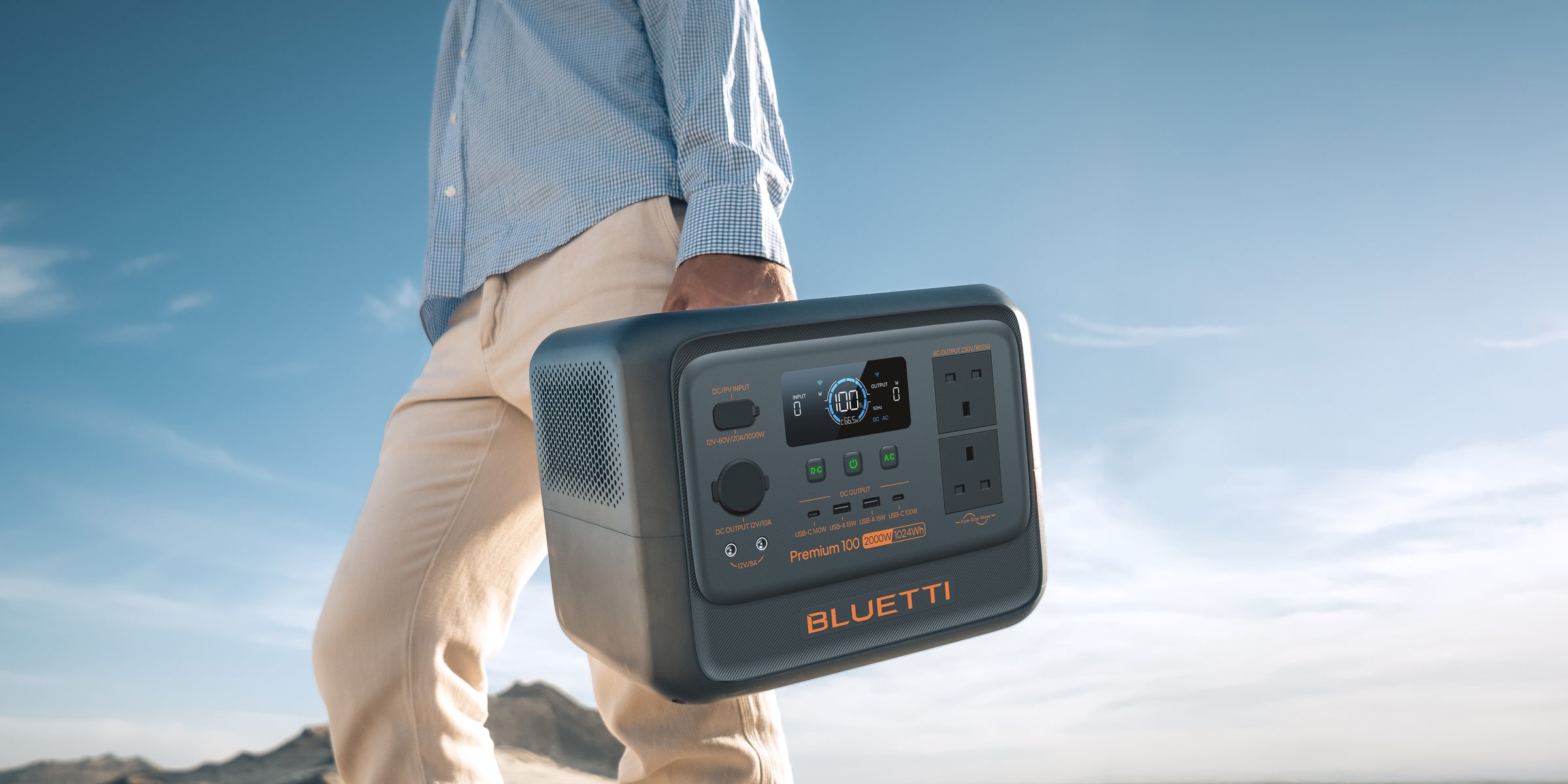
Portable power systems are often compared by battery capacity alone. That number matters, but it does not tell you whether a system can start the equipment, sustain the combined load or recharge in the conditions where it will be used.
Start with running watts
List every device that may operate at the same time and record its normal power consumption. Add the values together, then leave practical headroom instead of selecting a system that will remain at its maximum output.
Account for startup surge
Motors, compressors, pumps and some power supplies draw more energy for a short period when they start. The inverter must be able to handle this surge even when the continuous load appears modest.
Choose around the operating scenario—not the largest number printed on the specification sheet.
Convert capacity into useful runtime
Battery capacity in watt-hours provides a starting point: divide usable capacity by the expected running load. Real runtime will be lower than the theoretical result because of inverter losses, temperature and system overhead.
Plan how the system will recharge
Consider access to grid power, vehicle charging and solar input. A larger battery that cannot recover between shifts may be less useful than a correctly sized system with a practical charging plan.
Conquest Impex works with BLUETTI and EcoFlow energy systems. Share the intended loads, runtime, charging options and operating location for a focused recommendation.
Plan your system →